

Discipline Doesn't Retire: Why Professional Security Guards Run on Military Habits
The best professional security guards don't turn discipline on and off. Learn how military habits shape readiness in private security training.
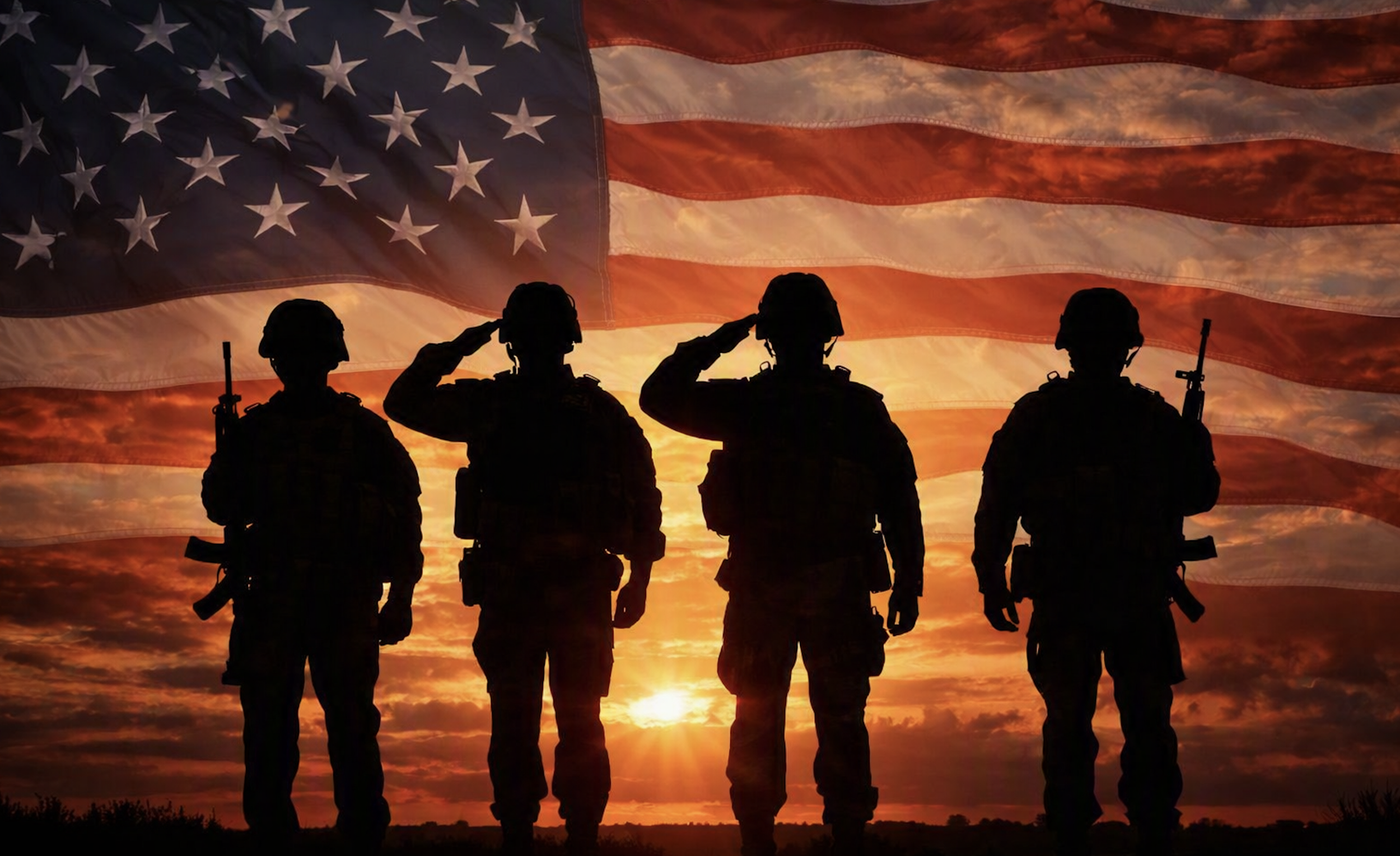
Discipline gets talked about like it's a personality trait. In reality, it's a set of habits, and habits are built, not born. For the people who lead and staff Ironwood's teams, those habits were built in the military, and they didn't stay behind when the uniform came off.
Military discipline isn't about rigidity for its own sake. It's about consistency under conditions that don't allow for shortcuts. It's checking equipment the same way every time, whether or not you expect to need it. It's showing up early, staying alert during the hours when attention naturally fades, and following a protocol precisely even when nothing appears to be happening. These habits exist because the cost of skipping them, even once, can be severe. That lesson doesn't fade with time. It becomes how a person operates, full stop, no matter the setting.
In the private security world, this shows up in ways clients may never directly see, and that's exactly the point. It's a perimeter check completed on schedule, not when convenient. It's a radio check done correctly instead of assumed. It's a team member staying fully alert on hour ten of a shift the same way they were on hour one. These are small actions individually. Together, they're what real readiness looks like, and readiness isn't something you can switch on the moment something goes wrong. It has to already be there, built into the routine long before it's ever tested.
Readiness is the other half of this equation, and it's inseparable from discipline. A team that's disciplined but not ready is simply going through motions. A team that's ready but not disciplined will eventually miss the detail that mattered. Military training builds both together, because in operational environments, one without the other gets people hurt.
We reinforce these habits the same way the military does: through repetition, supervision, and honest after action reviews. Every assignment gets debriefed. What worked, what didn't, and what needs to change before the next shift. This is not a formality. It's how discipline stays sharp instead of eroding over time, which is exactly what happens at security companies that treat training as a one time event instead of an ongoing standard. A team that trains once and assumes the habits will hold on their own is a team that will eventually get caught off guard.
This is why Ironwood doesn't treat discipline as a soft value or a line in a mission statement. It's an operational requirement, built into how our professional security guards train, how they're supervised, and how they're held accountable. The habits our people developed in military service are the same habits that keep an event, a facility, or a client safe today.
Precision isn't something we perform when someone's watching. It's the standard we hold regardless of whether anyone's watching at all. That's what military habits look like when they carry over into private security training, and it's why our clients can depend on the same level of readiness every single time.
