

Zero Margin for Error: Why High Risk Security Services Demand Real Precision
In high-risk security services, small mistakes have big consequences. Here's why zero margin for error is the standard, not a slogan, at Ironwood.
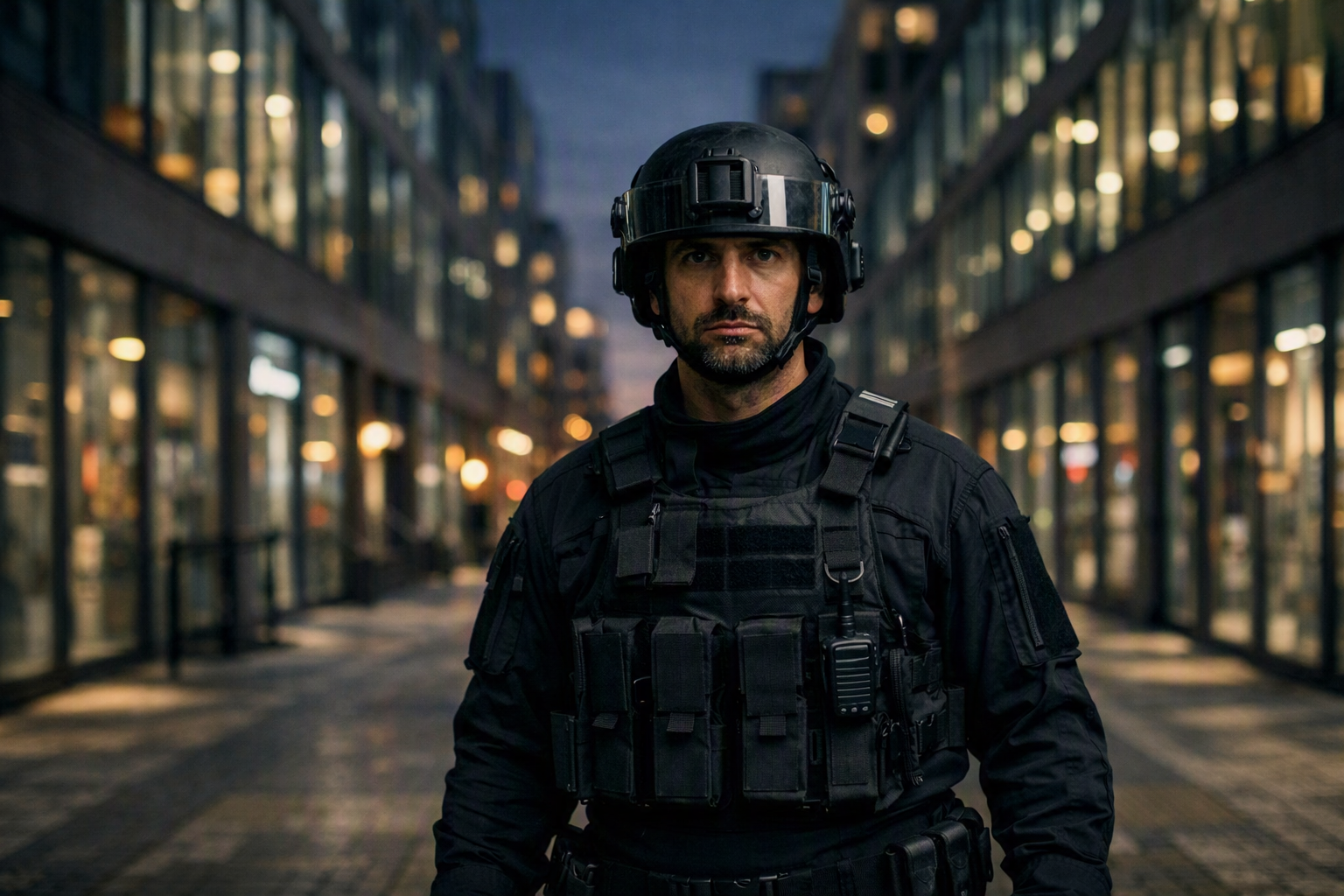
In most industries, a small mistake is an inconvenience. In high-risk security services, a small mistake can be the difference between an uneventful day and a serious incident. That reality is why precision, real precision, isn't a preference at Ironwood. It's a requirement with no room for negotiation.
High risk environments don't announce themselves clearly. A close protection detail, a high-profile venue, or a sensitive operation can look calm for hours and then change in an instant. The margin for error in these situations is effectively zero, because the threats being planned against aren't hypothetical. They're real possibilities that a security team is specifically there to prevent. When the standard is prevention instead of reaction, every detail in the plan must hold up, not most of them.
This is where military grade precision earns its name instead of just borrowing it. Precision means a perimeter that's checked exactly as planned, not approximately. It means a communication protocol that's followed word for word under stress, because that's when clear communication matters most. It means a contingency plan that's already been rehearsed, not improvised in the moment. None of this is about perfectionism for its own sake. It's about removing as much uncertainty as possible from situations that are already inherently uncertain.
Rehearsal is where this standard gets built, long before a real assignment ever begins. Our teams walk through scenarios repeatedly: a medical emergency in a crowd, a breach at a checkpoint, a principal who needs to be moved quickly and quietly. The goal of rehearsal isn't to predict every possible scenario. It's to make sure that when something unexpected happens, the team's response is automatic instead of improvised. An automatic response executed correctly under pressure is what precision looks like in practice, not a phrase on a website.
Our leadership's background in tactical operations and high consequence environments shaped this standard directly. In those environments, doing the small things right consistently is what prevents the big things from going wrong at all. A missed detail is rarely catastrophic on its own. It becomes catastrophic when it combines with other missed details, and by then the chance to prevent the situation has already passed. This is why Ironwood teams are trained to treat every detail as if it matters, because in a genuinely high-risk security environment, it usually does.
Clients who operate in these environments are trusting us with more than a service. They're trusting us with their people, their assets, and their reputation, often in situations where there's no chance for a second attempt. That's the weight behind the phrase military grade precision when we use it. It's not a marketing term. It's a description of the standard our teams are trained and expected to meet on every assignment, with zero tolerance for the margin of error a less rigorous security company might accept.
